









Any questions? Give us a call 05 - 375 3220
Free delivery for orders over 1000 € / 30 days Return policy

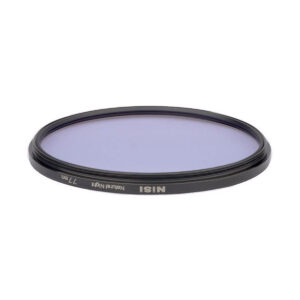
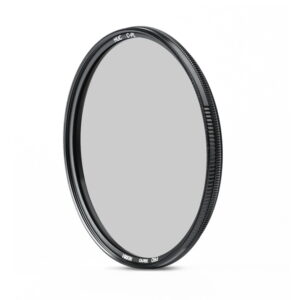
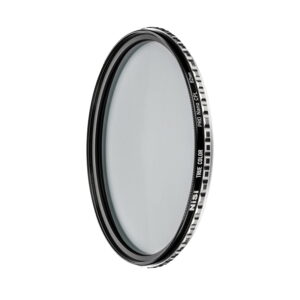
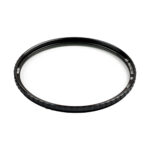
NiSi Natural Night Light Pollution Filter 82mm


Delivery options
DSV Road
Arrive approx. on Tuesday - Wednesday
from 5,90 €
Posti
Arrive approx. on Tuesday - Wednesday
from 6,90 €
Pickup from Foto Monza
Convenient and fast - the product is available for pick-up from our Kouvola office
Free
Foto Monza
What Our Clients Say
30 days right of return
30-day right of return - without explanation. If the product doesn't meet your expectations, return it and get your money back.Safe guarantee
Ask more about our customer serviceDescription
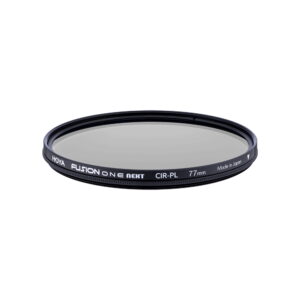
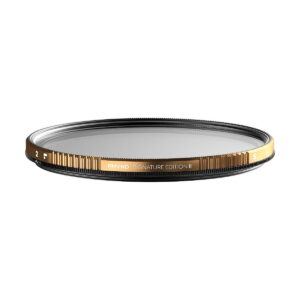
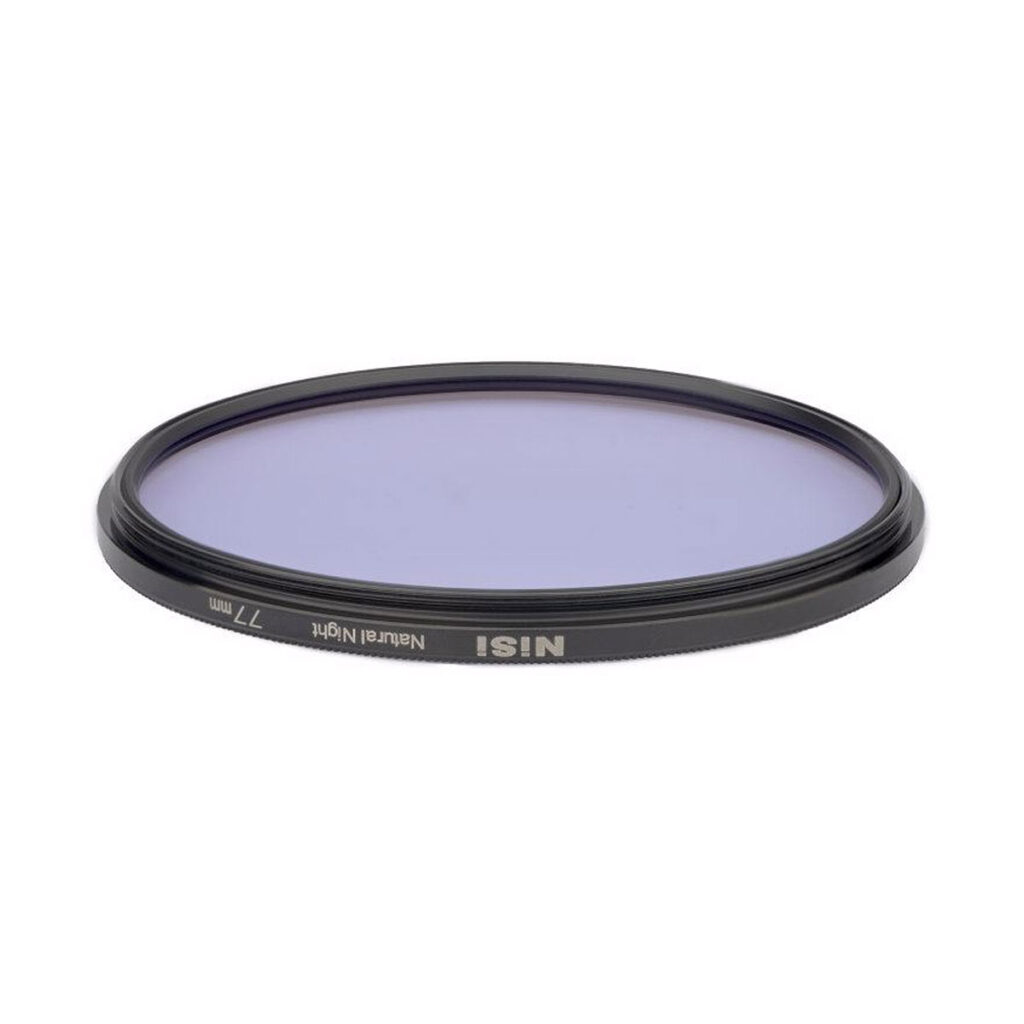
NiSi Natural Night 82mm - light pollution filter
Night sky photography is hampered by light pollution from a variety of light sources, including mercury, multi-metal, sodium and LED street lights. The glow from these light sources prevents the camera from capturing the night landscape. The NiSi Natural Night filter is designed to filter out the most common wavelengths that cause light pollution.
The NiSi Natural Night filter is made of very high quality optical glass. The filter surface is finished to meet the highly demanding needs of the latest digital camera sensors. The NiSi Nano Coating multi-coating ensures a very high light transmission and a truly flat surface, preventing reflections and guaranteeing a colour-fast image. The filter also features a protective water and grease repellent coating, which makes cleaning easier.
- Blocks the most common wavelengths that cause light pollution
- For photographing night landscapes and starry skies
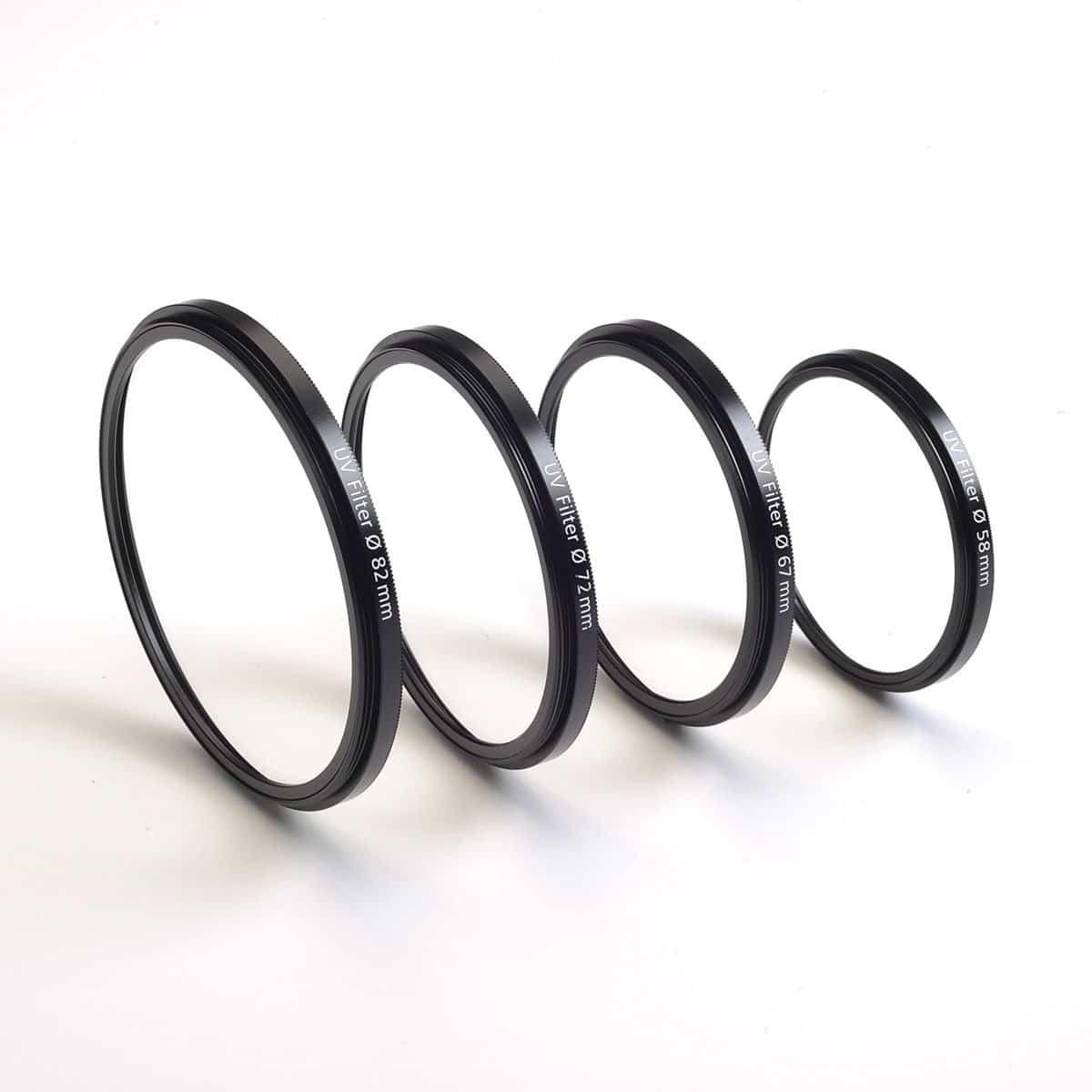
- Available in sizes: 40,5mm - 95mm
- Made of very high quality optical glass
- Multi-coated on both sides / Nano coating
- Durable surface treatment on both sides protects against scratches and dirt
Reviews
1 arvostelu
1 review for NiSi Natural Night Valosaaste Suodin 82mm
0%
100%
0%
0%
0%
1-1 of 1 review
Add a review
 NiSi Natural Night Light Pollution Filter 82mm
Your review
* Review is required
Name
* Name is required
Email
* Email is required
Add photos or video to your review
Q & A
Need help?
Call 05 - 3753220
We answer calls from 10-17 on weekdays and 10-15 on Saturdays
Customer service via chat
Get an immediate reply (during opening hours)
Come and visit the shop
In the Kouvola store you will find all the stock products and services offered
Join over 7000 customers
You're always the first to get the most important news
Free delivery
For orders over 1000 €
30 pv return period
Safe to shop
Customer service
Fast and knowledgeable
Payment methods
Versatile and safe
Always affordable
We monitor prices constantly

Foto Monza Oy - 3009635-7
Any questions? Give us a call
+358(0)5-3753220
© Copyright Foto Monza 2026

I was lucky to run into a NiSi dealer, because a few months ago Google didn't offer a NiSi dealer in Finland. The photo-emission filter seems to help with photo-emission-free night sky images (excessive green, which of course can also be reduced in image processing) with an unmodified body. With unmodded the image may fall too much into magenta however, so that can be corrected in image processing. Eats up a third of the exposure of course, but reduces the amount of ”false” light when shooting the trailing nebulae of the starry sky. I haven't tried it in harsh light pollution.