Any questions? Give us a call 05 - 375 3220
Free delivery for orders over 1000 € / 30 days Return policy

Quick guide: urban adventurer, street and travel photographer

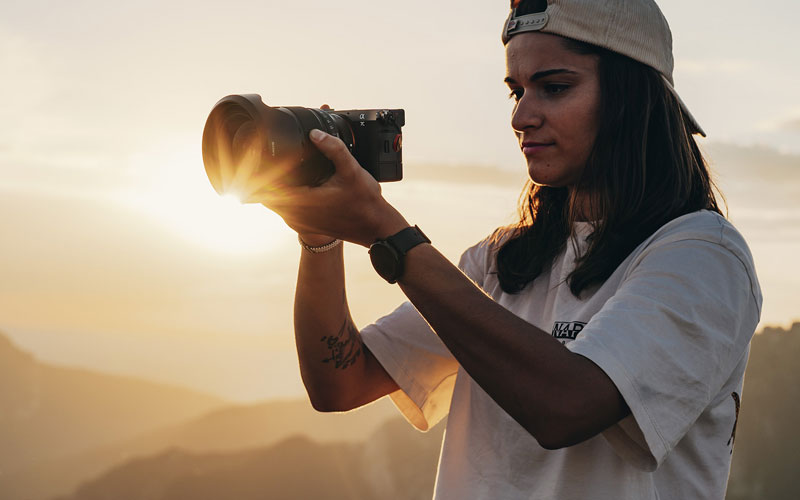
This photographer is an observer who wanders through the hustle and bustle of the city or foreign cultures in search of ”that decisive moment”. He appreciates discreetness and lightness; big and heavy equipment only attracts attention and strains the neck on long days of walking. Stylistically, he combines a documentary approach with an artistic vision. The equipment must be ready to use quickly, weatherproof and inspire the photographer to take it with him wherever he goes.
Camera
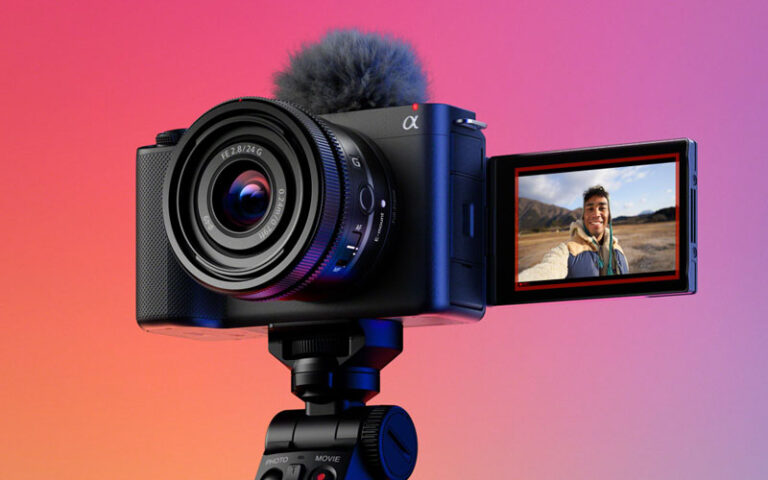
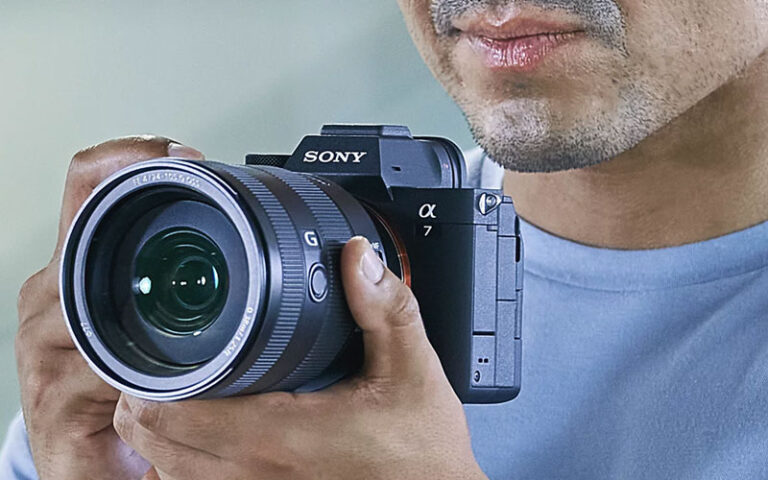
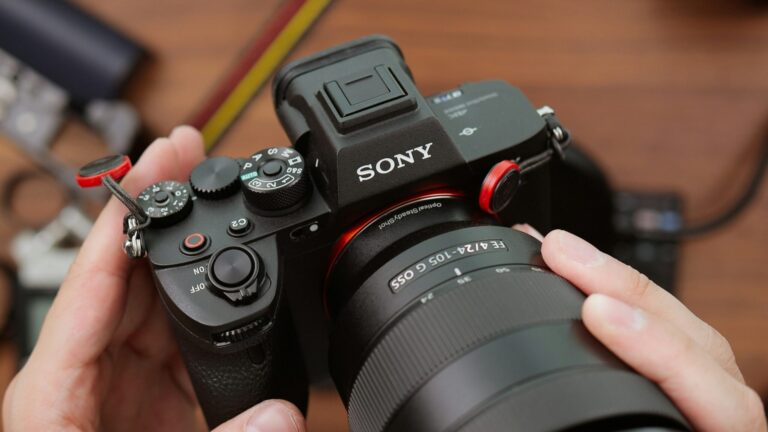
Sony A7C II or A7C R. These cameras pack the power of a full-size sensor into a compact, rangefinder-style body. The A7C II is the perfect travel companion: small, lightweight and unobtrusive on the street, but offering the same image quality as the larger A7 IV. Its improved image stabilisation helps in low-light alleys, and the rotating screen allows for creative shooting angles.
Lens
Sony FE 40mm f/2.5 G or FE 35mm f/1.8. The ”G-series trio” (24mm, 40mm, 50mm) is designed specifically for compact frames. The 40mm f/2.5 is an incredibly small and sharp lens that makes the camera fit almost in a jacket pocket. It has a natural focal length and is suitable for street situations as well as general photography. It also has an aperture ring, which gives it an analogue feel.
Additional information
Peak Design Leash camera strap. This is the minimalist's choice. The Leash is lightweight, durable and packs into a small space. Peak Design's ingenious Anchor Link mounts are compatible with all cameras, but are particularly suited to the sleek, modern aesthetic of the A7C series. You can detach the strap in seconds when you want to shoot with just the body.
Filming tips
- ”f/8 and be there”. The old street photography wisdom still applies. Use a slightly smaller aperture (e.g. f/8) in daylight, for a wider depth of field. This will forgive small focusing errors in fast situations and ensure that the surroundings also stand out in the picture.
- Learn how to shoot from the waist. Sometimes raising the camera to the eye startles the subject or breaks the situation. With a tilting screen, you can shoot with the camera hanging lower, so you only appear to be looking at your camera, not taking a picture. This also creates an interesting, lower perspective.
- Look for layering. Don't just settle for a flat background. Look for elements in the foreground (e.g. window frames, people, branches) to frame the subject. This creates three-dimensionality and makes the viewer feel part of the scene.
Related Posts
Need help?
Call 05 - 3753220
We answer calls from 10-17 on weekdays and 10-15 on Saturdays
Customer service via chat
Get an immediate reply (during opening hours)
Come and visit the shop
In the Kouvola store you will find all the stock products and services offered
Join over 7000 customers
You're always the first to get the most important news
Free delivery
For orders over 1000 €
30 pv return period
Safe to shop
Customer service
Fast and knowledgeable
Payment methods
Versatile and safe
Always affordable
We monitor prices constantly

Foto Monza Oy - 3009635-7
Any questions? Give us a call
+358(0)5-3753220
© Copyright Foto Monza 2026
