Any questions? Give us a call 05 - 375 3220
Free delivery for orders over 1000 € / 30 days Return policy
Any questions? Give us a call 05 - 375 3220
Free delivery for orders over 1000 € / 30 days Return policy
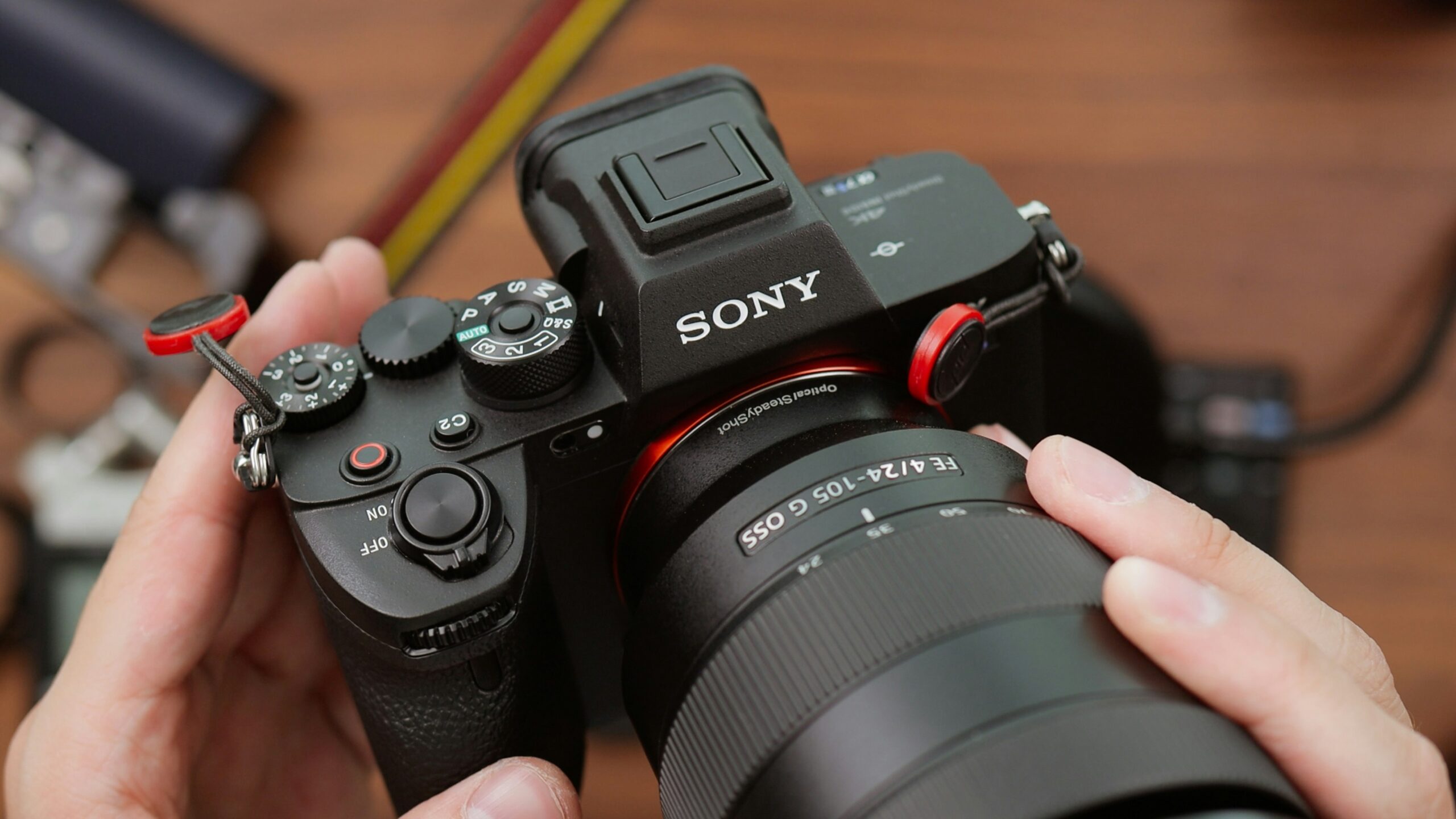
In this guide, we’ll look at how a camera works, what parts it consists of, and what camera equipment a photographer actually needs. At the end, you’ll find a photography glossary explaining the most common terms. If you’re still wondering which camera to buy, have a read of Our guide to choosing a camera.
The camera captures light. When you press the shutter button, the light passes through the camera in the following order:
In a mirrorless camera The light hits the sensor directly, and you can see the image through the electronic viewfinder or on the rear screen exactly as it will be captured. In a digital single-lens reflex (DSLR) camera The mirror directs the light into the optical viewfinder and only moves out of the way when the picture is taken. Mirrorless cameras are now by far the most popular choice, as they are smaller, quieter and have lightning-fast autofocus.
| Part | What does it do? |
|---|---|
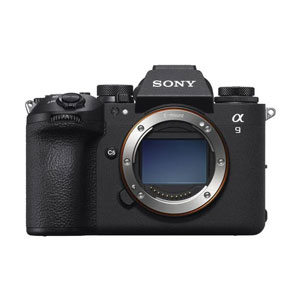
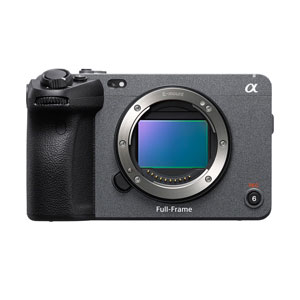
| Frame | The camera’s ”body”, which houses the sensor, shutter, processor, battery and controls. |
| Bayonet | Lens mount. The lens mount must be the same as that of the camera body, for example Sony E or Canon RF. |
| Lens | Collects and focuses light. Determines the angle of view and the aperture. |
| Cell | The camera’s ”film”. A larger sensor (full-frame) captures more light than a smaller one (APS-C). |
| Closed | Determine how long the light strikes the sensor. |
| Search and display | An electronic or optical viewfinder and a rear display for framing shots and viewing images. |
| Control dials | Shooting mode (P, A, S, M), shutter speed, aperture and ISO. |
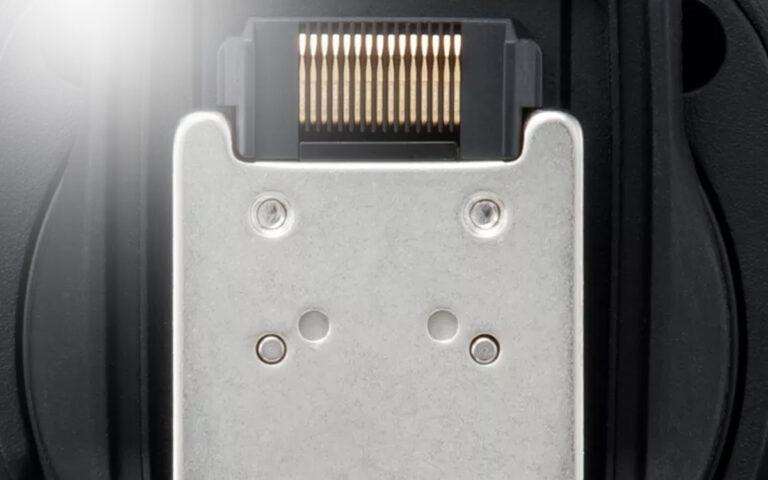
| Lightning Boot | Mount for a flash, transmitter or microphone. |
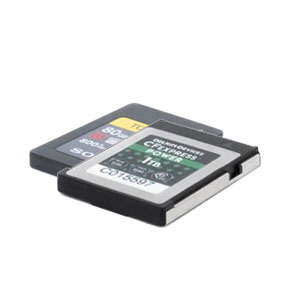
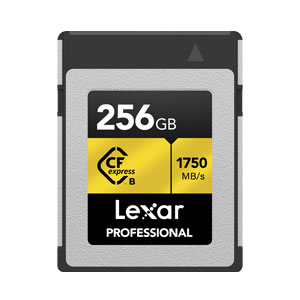
| Battery and memory card slot | Power supply and image storage, usually on an SD or CFexpress card. |
| Connections | USB-C for charging and data transfer, HDMI for the display, and a microphone and headphone jack for video. |
The greatest strength of a system camera is creative freedom. Instead of using automatic mode, you can control the three most important settings yourself – known as the exposure triangle. All three affect the brightness of the image, and each also has its own side effects.
| Adjustment | More light | Side effect |
|---|---|---|
| Closing time | A longer duration, e.g. 1/30 s | The movement appears blurred |
| Opening | A smaller f-number, e.g. f/1.8 | The background becomes blurred (shallow depth of field) |
| ISO | A higher number, e.g. 3200 | There is noise in the picture |
There is a shutter curtain in front of the camera’s sensor. The shutter speed indicates how long the curtain remains open to allow light to reach the sensor.
Short exposure time (e.g. 1/1000 s) freezes even the fastest motion with sharp clarity. It’s the perfect choice for sports, photographing pets or capturing water droplets.
Long exposure time (e.g. 1 s or longer) turns movement into art. It allows you to capture the stars in the night sky as streaks or a waterfall flowing with a silky softness. A sturdy tripod is essential when using long exposure times.
The adjustable aperture inside the lens acts like the iris of the eye: it regulates the amount of light reaching the sensor. The size of the aperture is measured using f-numbers.
A small f-number (e.g. f/1.8) refers to a wide aperture. It lets in plenty of light and creates a shallow depth of field, which beautifully blurs the background and makes the subject stand out. This is the secret to portrait photography.
High f-number (e.g. f/11) refers to a small aperture. It produces a wide depth of field, in which the entire scene is rendered sharply, from the rocks in the foreground to the mountains on the horizon. This is a landscape photographer’s essential tool.
The ISO value measures the sensitivity of the camera’s sensor to light.
Low ISO value (e.g. 100) is the default setting in good lighting conditions. It produces the clearest and most detailed image quality.
High ISO value (e.g. 3200) is your saviour in low light. It allows you to take handheld shots in atmospheric interiors or at dusk without using a flash. Modern cameras handle the noise associated with high ISO settings exceptionally well.
White balance (WB) is the camera’s colour perception. It ensures that white looks white and other colours are reproduced naturally, whether you’re taking a photo by candlelight or in bright sunlight. The automatic setting often works well, but you can also use scene-specific presets or adjust the balance manually. In RAW images, the white balance can be further adjusted during post-processing.
A comparison of camera types and our recommendations for different types of photographers – such as vloggers, nature photographers or family photographers – can be found from the camera selection guide.
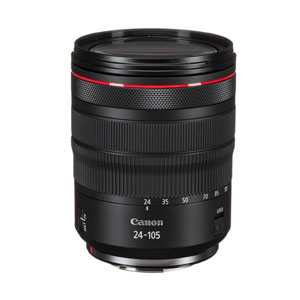
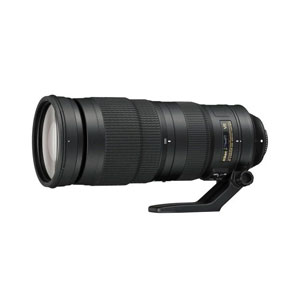
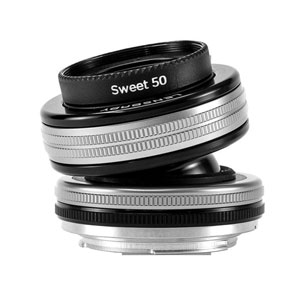
The lens often has a greater impact on image quality than the camera body. It determines how much of the landscape fits into the frame, how close you can get to distant subjects, and how well you can take photos in low light. A fast lens (small f-number) lets more light reach the sensor, so you can use a shorter shutter speed or a lower ISO setting. Always check that the lens mount is compatible with your camera body.
We discuss the choice of lenses and mounts in more detail in the article choosing a lens.
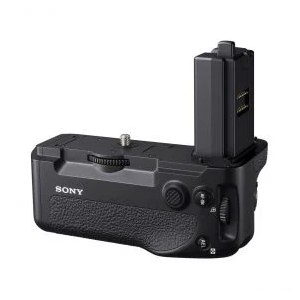
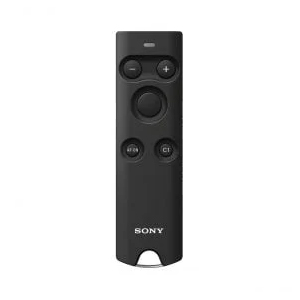
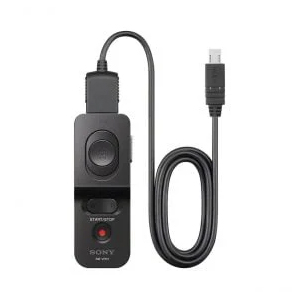
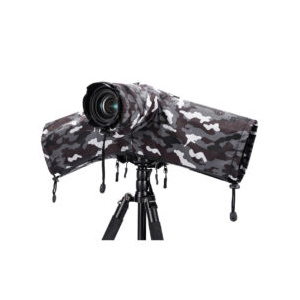
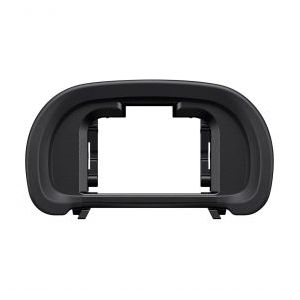
The right camera accessories aren’t just extras. They make photography smoother and open up new creative possibilities. We recommend purchasing these accessories to go with your new camera, in this order.
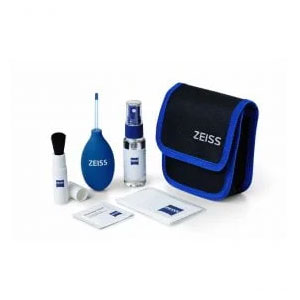
A blower, lens cloth and cleaning fluid will keep your lenses and viewfinder clean. Dust that has settled on the sensor appears as dark spots in your photos, particularly at small apertures. We’ll clean the sensor for you at our Kouvola branch.

High-quality photographic equipment is built to last, so buying a second-hand camera or lens is a smart way to get more value for your money. In private sales, the seller may not necessarily know what they are selling or how to assess its condition, let alone offer a warranty.
At Foto Monza, every second-hand product is tested before sale, and it has 90-day warranty and 30-day right of return. We process an average of more than 10 second-hand items every day. Each item is given a condition rating on a scale of 1–5, and any signs of wear are specifically mentioned in the product description. Read more Fitness classifications with illustrated examples.
You can sell your old cameras and lenses sell to us or provide in exchange for the price of a new camera. We usually assess products within 24 hours of their arrival.
Start with a memory card, a spare battery and a camera bag. Once you’ve got the photography bug, the next good investments are a tripod, a polarising filter and a fast fixed-focal-length lens, such as a 50 mm f/1.8.
Lens, aperture, shutter and sensor. The lens collects light, the aperture and shutter control the amount of light, and the sensor captures the image. The body also contains a processor, viewfinder, display, battery and memory card slot.
The exposure triangle refers to the interplay between shutter speed, aperture and ISO. When one of these is changed, the other two must be adjusted to keep the brightness of the image the same.
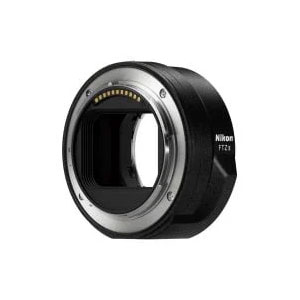
No. The lens mount must be the same as that on the camera body, for example Sony E, Canon RF, Nikon Z or Fujifilm X. In some cases, older lenses can be used with an adapter.
It’s worth it when you buy from a reliable seller. Foto Monzan’s second-hand products have been tested and come with a 90-day warranty and a 30-day returns policy.
Remember, the best camera is the one that inspires you to take photos. Come and explore our range online or at our Kouvola shop, and have a chat with our experts!