DJI RS 3 – a revamped gimbal with all the bells and whistles
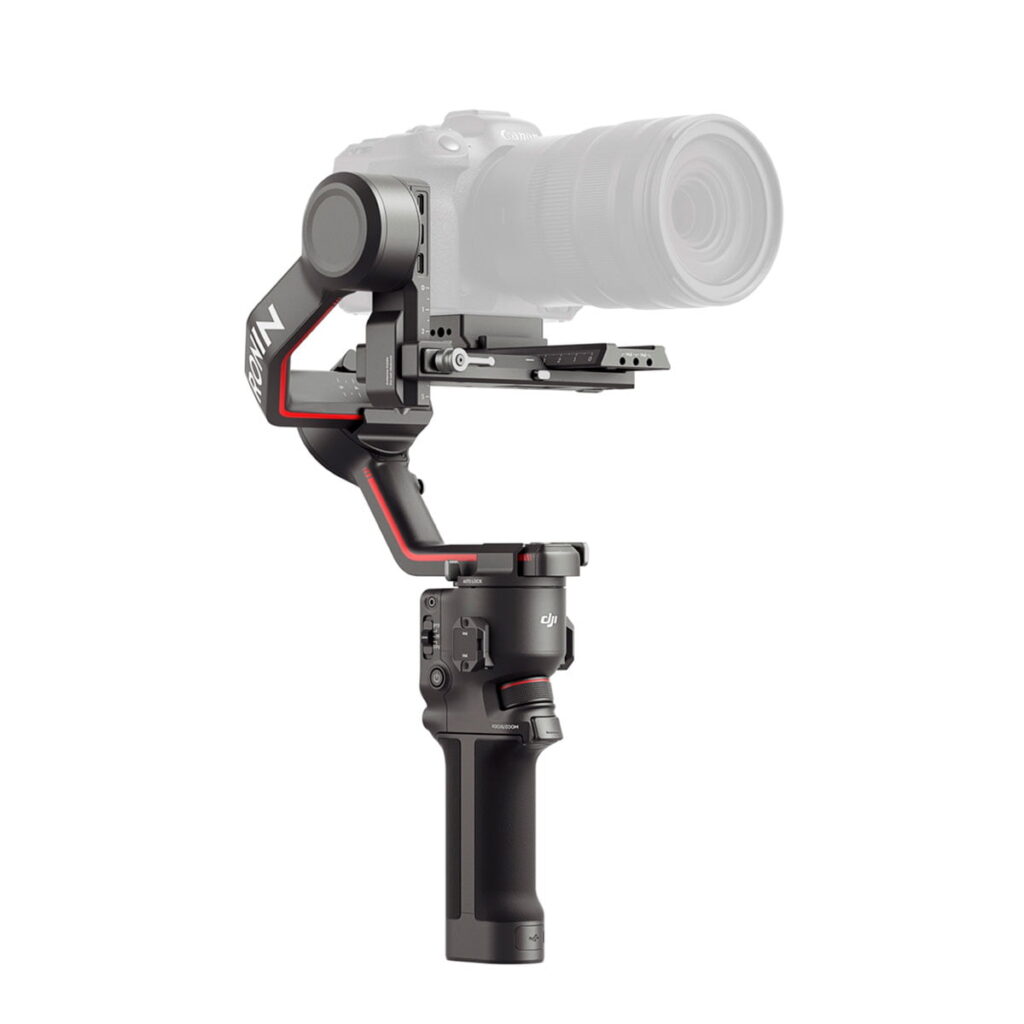
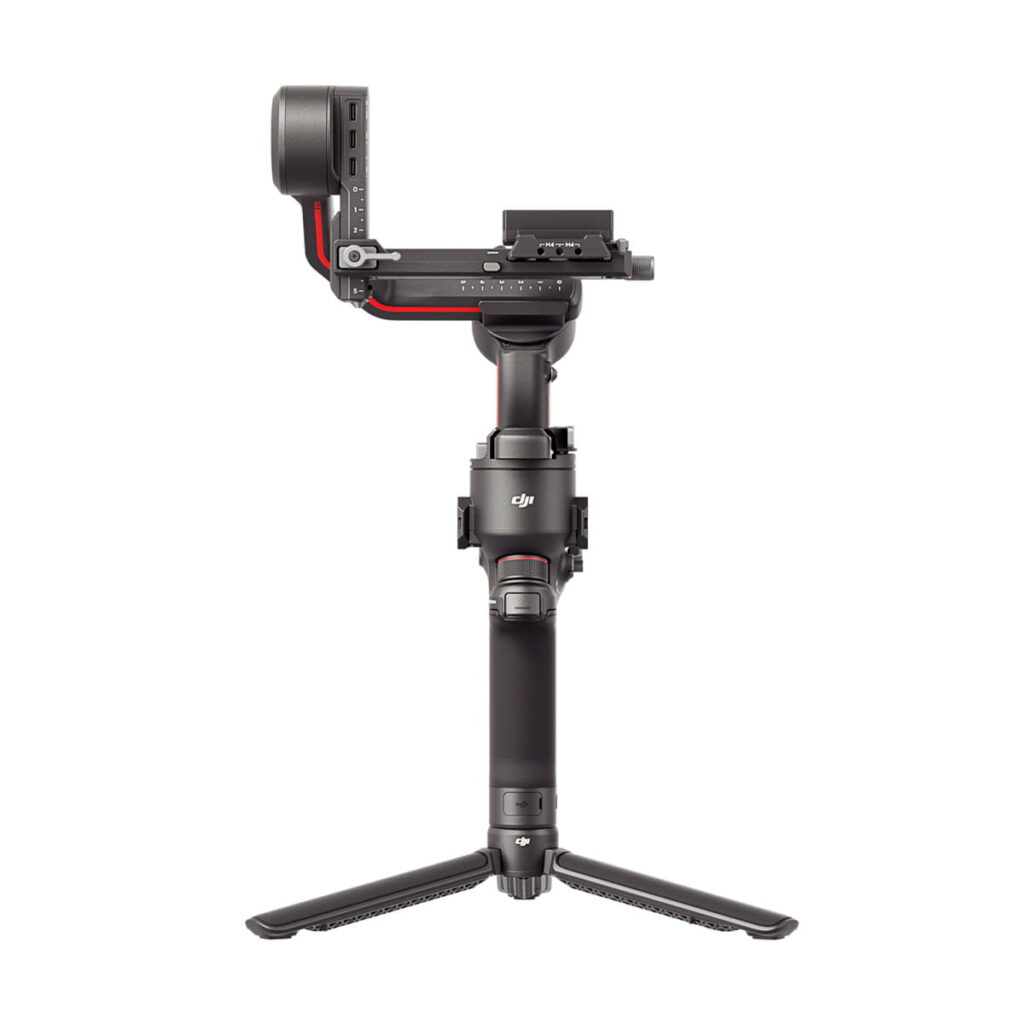
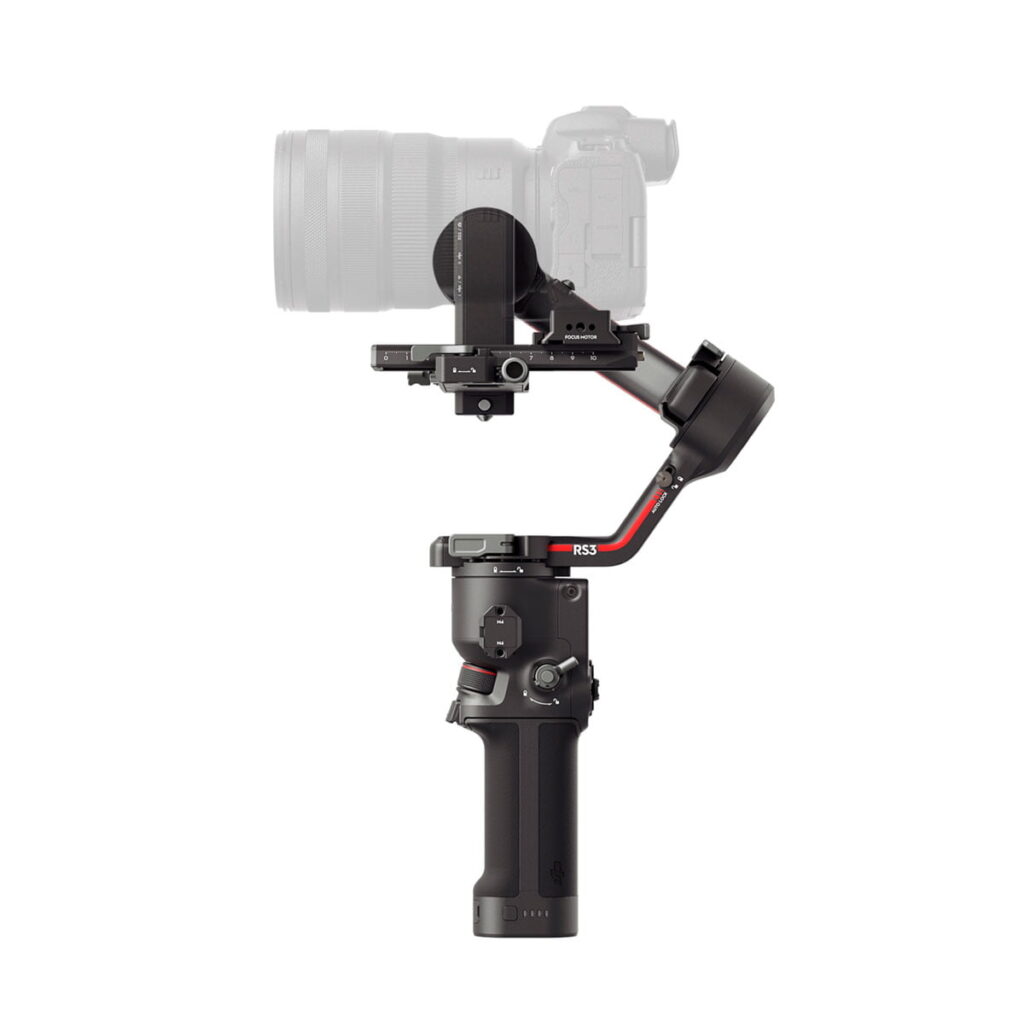
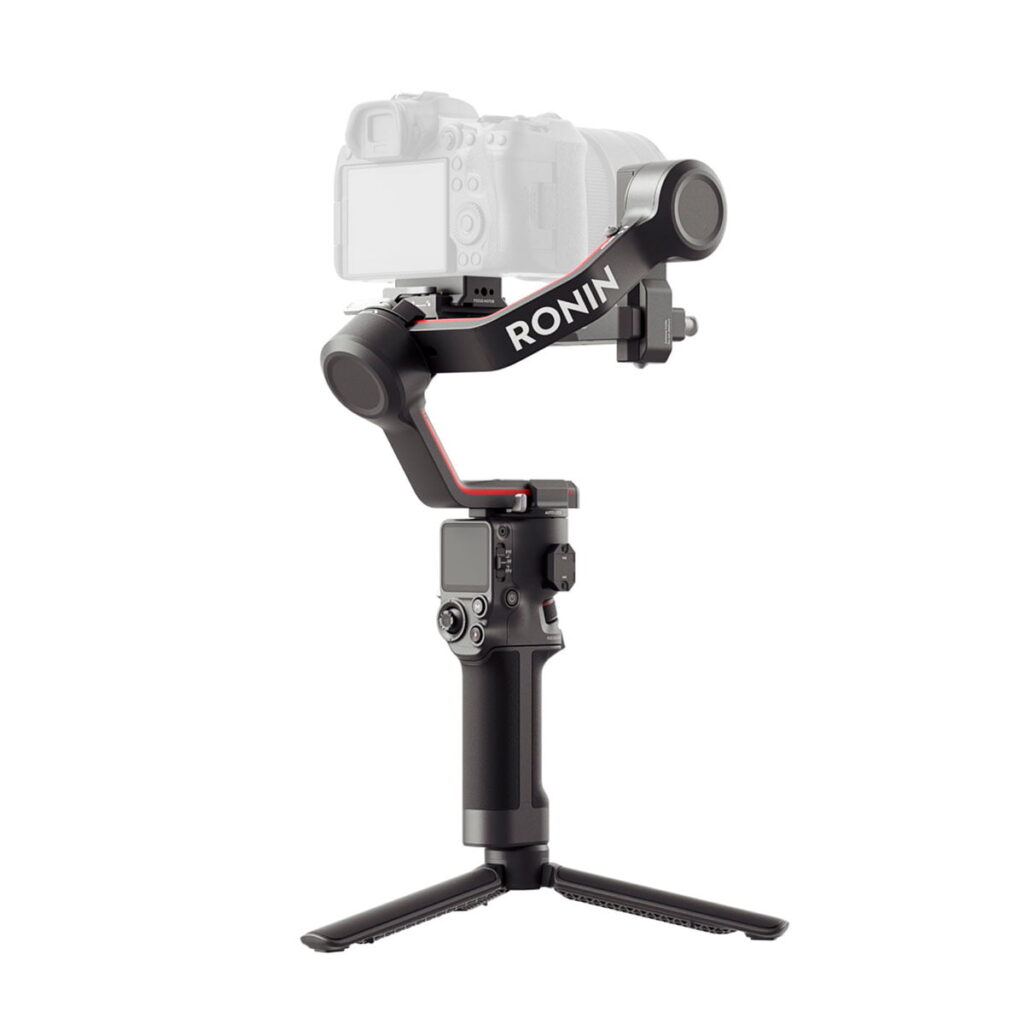
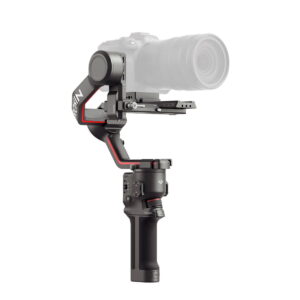
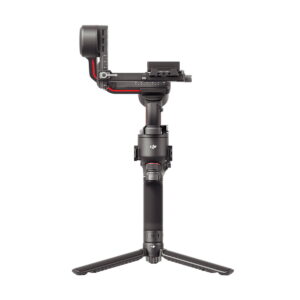
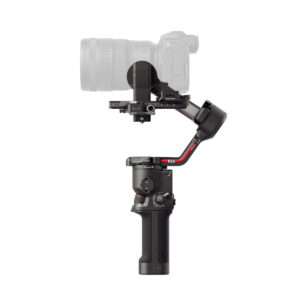
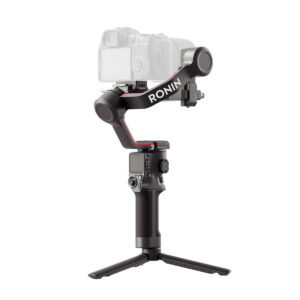
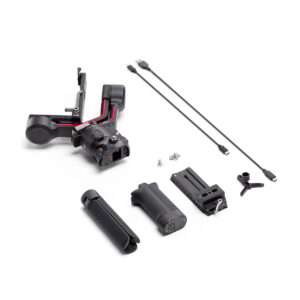
The DJI RS 3 follows in the footsteps of its predecessor RSC 2Like the manufacturer’s most versatile stabiliser, this model nevertheless includes a few new features. The gimbal itself weighs just 990 g, but it can support a load of up to 3 kg, so there are no issues even with a larger camera and lens.
The RS 3 copes well with, for example:
You can also check the exact compatibility on a camera-by-camera basis. here.
The RS 3 gimbal has been designed primarily with speed in mind. Thanks to the two-tier quick-release plate, attaching the camera to the gimbal is quick and easy. There is no need to rebalance the gimbal after removal, provided the lens is not changed. This significantly speeds up your workflow during shoots. The new fine-tuning screw allows you to balance the camera precisely in the correct position, as it can be moved forwards or backwards with millimetre precision.
Moving around with the gimbal is made very easy. Automatic locks provide a quick way to change the stabilizer to the transport position. With a press of the power button, the gimbal locks the shafts and folds into the rest position in seconds. When you're ready to resume shooting, press the power button again and the gimbal opens to shooting mode again in seconds.
The Dual-Mode Bluetooth feature, which enables wireless camera control, also adds to the speed of gimbal use. By connecting to Compatible with with a Bluetooth connection between the camera and the gimbal, the gimbal menu and switches allow you to quickly adjust the main camera settings and start recording. In addition, the gimbal automatically connects Bluetooth to previously used cameras.
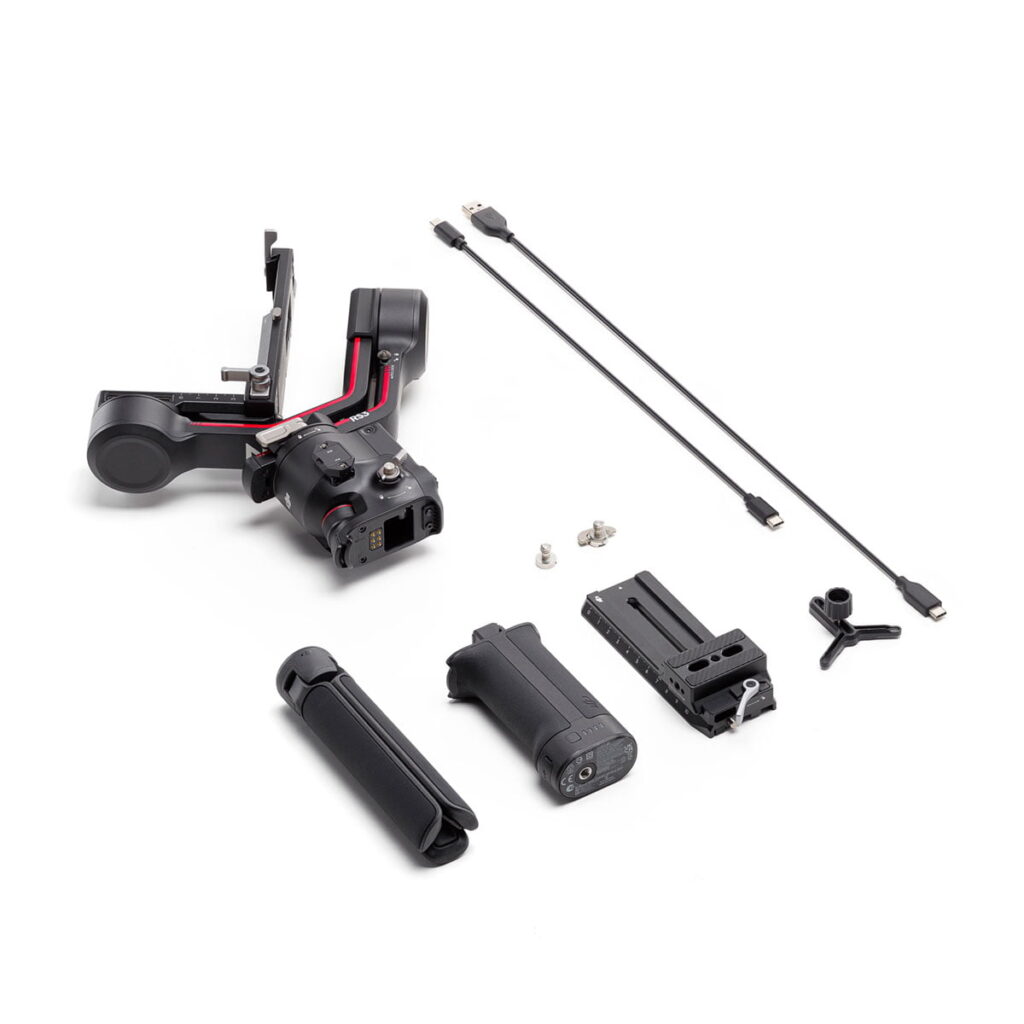
The RS 3’s battery grip features a completely new quick-release mechanism and is much more compact than the RSC 2’s battery. The battery can also be charged separately from the gimbal. The battery provides up to 12 hours of running time for the gimbal, which means you’ll likely be able to use the gimbal all day without recharging. However, if the battery does run out, it charges very quickly thanks to the 18W power supply. At 18W, the battery should be fully charged in just 2.5 hours. Furthermore, it is also possible to use the gimbal whilst it is charging, meaning that, in practice, it can be kept switched on indefinitely.
DJI's third-generation RS stabilization algorithm provides even better balancing for all different shooting situations. According to DJI's own lab data, RS 3 offers as much as 20% more stability compared to RSC 2. If you're using the gimbal in extreme conditions where the gimbal's basic stability doesn't seem to be enough, don't worry; DJI has a solution for that too. The RS 3 also includes SuperSmooth mode, which further increases the torque of the stabilisation motors. SuperSmooth mode can be particularly useful when shooting fast-moving subjects or using focal lengths of over 100mm.
The RS3 gimbal features a built-in 1.8-inch OLED touchscreen, making it easy to navigate the menus. Compared to the RSC 2’s display, the RS 3 offers a larger, colour screen, which undoubtedly makes it easier to use. The slide switch on the side allows you to quickly select different stabilisation modes. The handy dial offers agile control over zoom, focus, shutter speed, aperture, ISO settings or gimbal movements.
Ronin (sold separately) Image Transmitter’s (formerly known as the Ronin RavenEye Image Transmitter) allows you to stream live footage from the camera to a smartphone via the gimbal, and to control the gimbal or the camera using the smartphone.
Of course, the gimbal also offers smart shooting modes such as Motionlapse, Track, Dolly Zoom, Time Tunnel and Panorama. They'll ensure that even your most creative shooting ideas won't be limited by the equipment.
The main differences RSC 2: in brief
- A slightly lighter construction and greater load-bearing capacity
- Automatic locking system
- Camera fine-tuning screw
- A new-generation stabilisation algorithm
- Bluetooth connectivity with the camera
- 1.8-inch colour OLED touchscreen
- SuperSmooth stabilisation mode
- A smaller battery handle with a new quick-release system
Main features
- Weighs just 990 g, but can carry up to 3 kg
- Quick camera mounting and stability adjustment
- Automatic locking system for easy movement
- In addition to wired connectivity, a nifty Bluetooth connection to the camera
- 12 hours’ battery life and a charging time of just 2.5 hours
- Up to 20% more efficient stabilisation compared to RSC 2
- SuperSmooth-mode for a more stable image in difficult conditions
- Easy to use and large colour touch screen
- Smart shooting modes for different situations
Technical specifications:
- Maximum load capacity: 3 kg
- Number of axles: 3
- Rotation range: 360º (Pan), -112-214º (Tilt), -95-240º (Roll)
- Tracking speed: 360 º/s
- Camera mounting screw: 1/4″-20
- Output connectors: 3x USB-C (for camera)
- Input connector: USB-C (Power)
- Wireless frequency: 2.4 GHz
- Bluetooth version: 5.0
- Battery capacity: 3000 mAh / 21 Wh
- Battery life: 12 h
- Charging time: 2.5 h
- Battery type: lithium-ion polymer
- Voltage: 7.2 V
- Recommended operating temperature: -20 - 45 ºC
- Mounting: 1/4″-20 female and flash shoe
- Dimensions: 41 x 26 x 19.5 cm
- Weight: 990 g






Reviews
There are no reviews yet