Any questions? Give us a call 05 375 3220
Free delivery for orders over 1000 € / 30 days Return policy
Any questions? Give us a call 05 375 3220
Free delivery for orders over 1000 € / 30 days Return policy
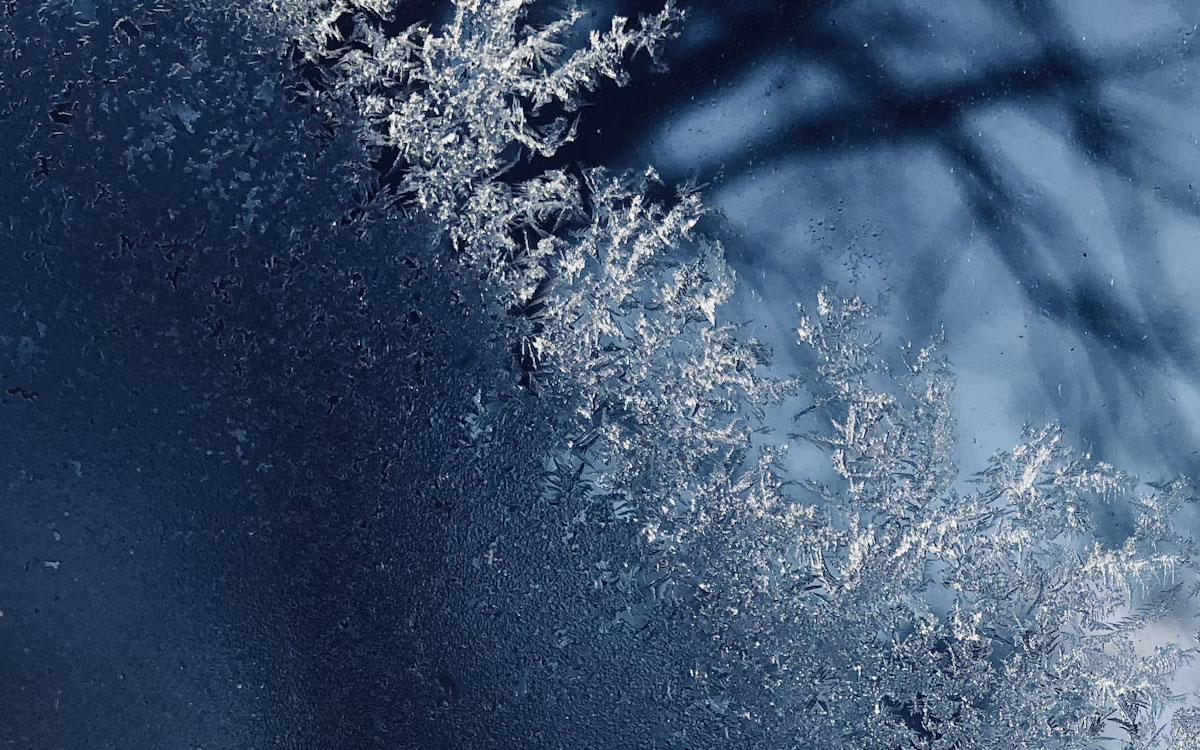
The Finnish winter offers magnificent conditions for photography: frost-covered trees, the light of the low sun, the Northern Lights and snow-covered landscapes. However, freezing temperatures are a challenging environment for a camera. Batteries drain quickly, the display slows down, and the greatest danger only arises when you return to a warm indoor environment. With these tips, your camera will withstand the winter and you’ll be able to take great photos even in the bitterest cold.
The chemical reactions in a lithium-ion battery slow down in the cold, so the battery cannot deliver power at the same rate as it does in warmer conditions. In freezing conditions, a fully charged battery may appear to be flat after just a fraction of the normal number of photos. However, the charge has not been lost, and as the battery warms up, a large proportion of it becomes available for use again.
The camera withstands freezing temperatures surprisingly well, but the greatest risk arises when a cold camera is brought into a warm indoor environment. The warm, humid indoor air condenses on the cold camera in the same way that spectacles mist up. Moisture condenses not only on the camera’s surface but also inside it: between the lens elements, on the sensor and on the electronics. If this happens repeatedly, it can cause corrosion, electrical faults and, in the worst case, mould growth inside the lens.
How to prevent condensation:
If you’re taking photos over several consecutive days – for example, at a holiday cottage – you can leave the camera in the cold hallway overnight or in the car (locked away and out of sight), in which case there’s no need to warm it up in between. However, always bring the batteries inside to keep them warm.
The specified operating temperature for most cameras is 0–40 °C. This does not mean that the camera would break down in freezing conditions, but rather that the manufacturer guarantees its operation within this range. In practice, modern system cameras also work well in temperatures as low as –10 and –20 degrees, provided the batteries are kept warm and condensation is prevented. Some cameras are designed for use in freezing conditions: for example, OM System bodies and the water-resistant TG-7 The frost resistance is stated as –10 degrees.
Weather sealing helps in snow and damp conditions, but it does not protect against condensation, as the moisture comes from the air inside the camera.
The camera’s light meter assumes that the subject is medium grey. When there is a lot of white snow in the picture, the camera exposes the image too darkly, and the snow appears grey. Correct the exposure using exposure compensation +1 or +2 EV and check the histogram to make sure the snow isn’t blown out. If the snow looks bluish, adjust the white balance or shoot in RAW format, so you can correct it in post-processing.
Drone batteries are even more susceptible to freezing temperatures than camera batteries, as they discharge a large amount of power in one go. A cold battery can cause the voltage to drop so rapidly that the drone lands mid-flight.
Please also remember that the drone regulations apply in winter too. Read more in the article Finnish drone legislation in plain language.
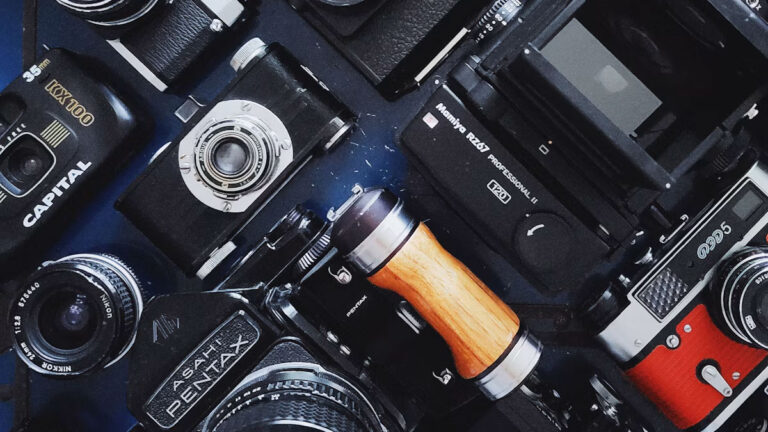
Mechanical film cameras often perform better in freezing conditions than digital ones, as they require a battery only for the light meter. In the cold, film becomes brittle, so wind and advance the film gently to prevent it from snapping. Fast rewinding in dry, freezing air can also cause static electricity discharges, which appear on the film as lightning-like streaks. The lubricants in older cameras can stiffen, causing the shutter speeds to slow down.
Oh, as long as the camera is dry and in a closed bag. The frost itself won’t damage the camera. However, do take the batteries inside, and let the camera warm up whilst still in the bag before opening it. Also bear in mind the risk of theft.
Occasionally, it’s fine to let the camera dry out naturally before use. However, repeated condensation can cause corrosion in the electronics and mould to grow on the lens. That’s why it’s worth making a habit of using a bag or case.
It depends on the temperature, the battery and how you take the photos. In very cold weather, the battery may only last for part of its usual time. However, by keeping spare batteries warm and switching between them, you can still take photos all day long.
Winter is also the season for the Northern Lights. If you’re planning to photograph them, you’ll need a tripod, a fast wide-angle lens and these tips for shooting in the cold. Pop into our shop in Kouvola or get in touch, and we’ll help you put together the right kit for winter photography.