Any questions? Give us a call 05 375 3220
Free delivery for orders over 1000 € / 30 days Return policy
Any questions? Give us a call 05 375 3220
Free delivery for orders over 1000 € / 30 days Return policy
A mobile phone’s camera is good, but at some point many people want more: a genuinely blurred background, sharp photos of children or pets in motion, better performance in low light, and the option to change the lens. That’s when the question arises, Which camera is best for a beginner?.
We have put together a list of seven system cameras that we recommend as a first camera. All of them are without mirrors: five APS-C cameras, an affordable Micro Four Thirds camera and a full-frame camera. They are easy to use and feature modern autofocus systems. We no longer recommend buying new DSLR cameras, as manufacturers have shifted all their development efforts towards mirrorless systems. If you’d like to familiarise yourself with the basics of photography first, such as aperture, shutter speed and ISO, read A guide to buying cameras and photography equipment.
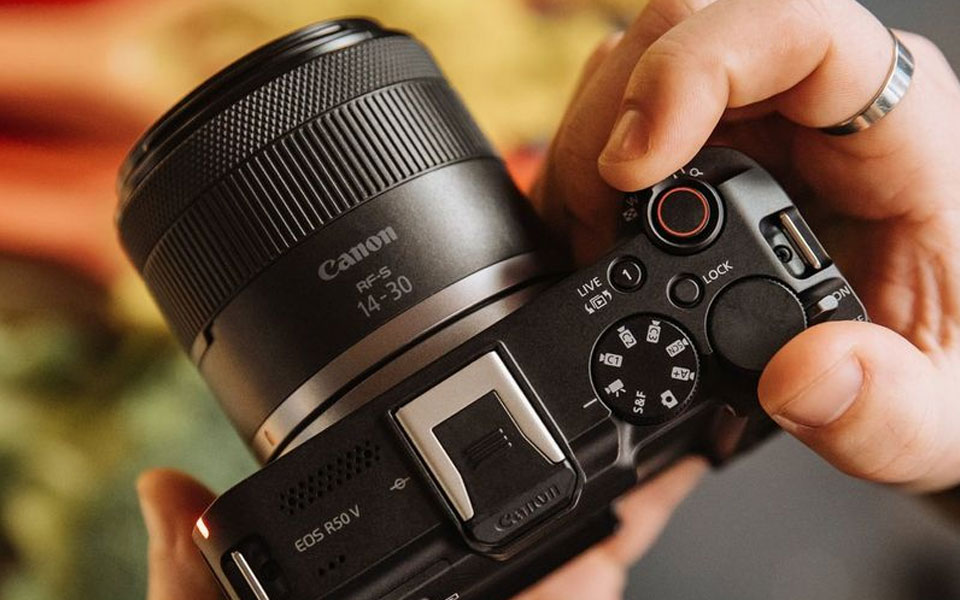
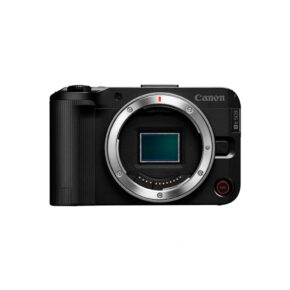
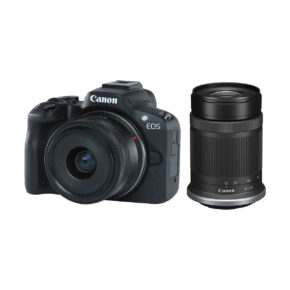
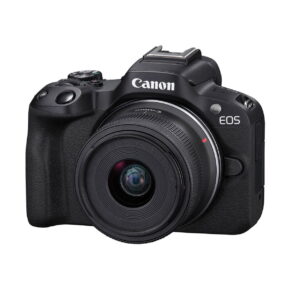
Canon EOS R50 It is one of the most affordable kit packages in our range and, for many, the best first camera. It is small and light (375 g with the battery), and Canon’s guided user interface explains on-screen what each setting does. That’s why you’ll find yourself learning to take photos without even realising it. It features an electronic viewfinder, a tilting touchscreen and Canon’s excellent eye and subject detection autofocus.
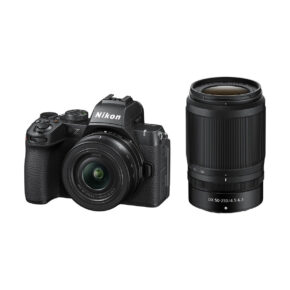
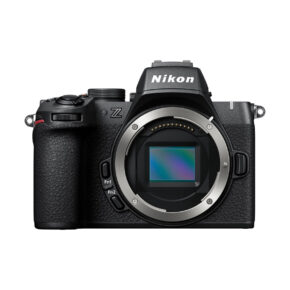
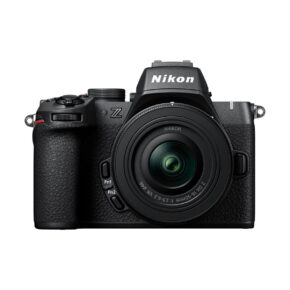
Nikon Z50 II It feels like a proper camera in your hand: a deep grip, clear controls and a bright OLED viewfinder. Inside, it features the same EXPEED 7 processor found in Nikon’s professional cameras, so the autofocus recognises people, animals, birds and vehicles. The camera has built-in flash, and its 4K60 video and Picture Control colour profiles also make it a versatile video camera.
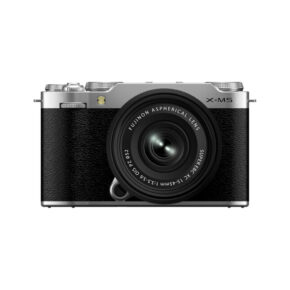
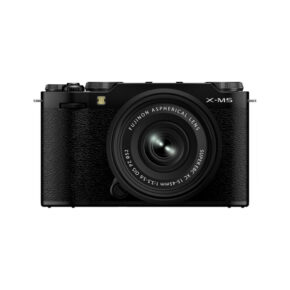
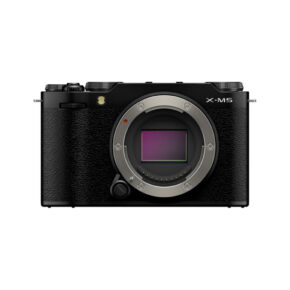
Fujifilm X-M5 It is the smallest and lightest body in Fujifilm’s X series, weighing just 355 grams. It fits in a coat pocket along with a kit lens. The camera’s key feature is film simulations: 20 colour styles that emulate classic Fujifilm films, the most important of which can be selected directly from the dial on the top of the camera. Photos look ready straight out of the camera without any post-processing. On the video side, the X-M5 records 6.2K video and features three microphones and a dedicated vlog mode.
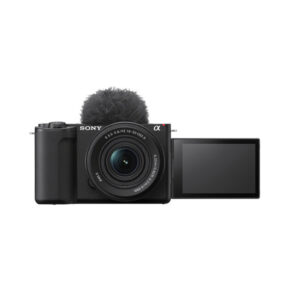
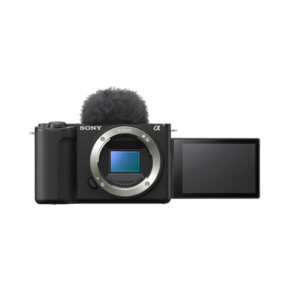
Sony ZV-E10 II It is designed for content creators. It features a forward-facing three-capsule microphone with a windscreen, a forward-tilting screen, a product showcase mode and one-button background blur. Video is recorded at 4K60 resolution, and S-Cinetone and S-Log3 colour profiles are also included. The large NP-FZ100 battery lasts for around 610 shots, which is excellent for a camera of this size. Sony’s E-mount offers the widest range of lenses on the market, including affordable options from Sigma, Tamron and Viltrox.
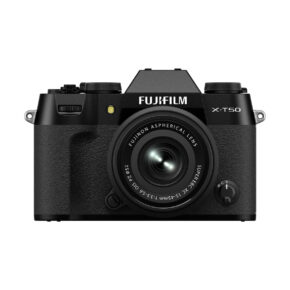
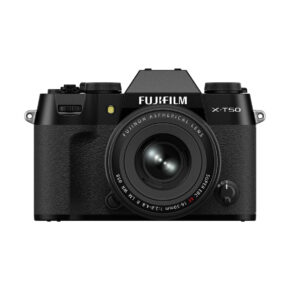
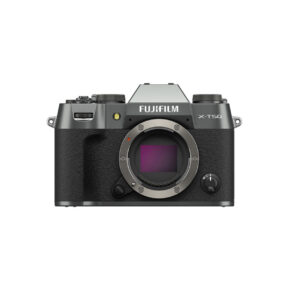
Fujifilm X-T50 It costs more than the others, but you won’t outgrow it for years. It has a 40-megapixel sensor, which is the same as in the popular X100VI- in the camera, and The only APS-C camera with image stabilisation, which compensates for camera shake by up to seven stops. In practice, this means you can take sharp photos in low light using slower shutter speeds and with any lens. There’s a dedicated dial for film simulations, and it comes with a viewfinder. The X-T50 is a good choice if you already know that photography is going to be a long-term hobby.
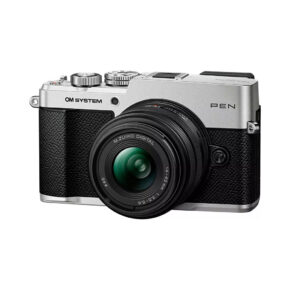
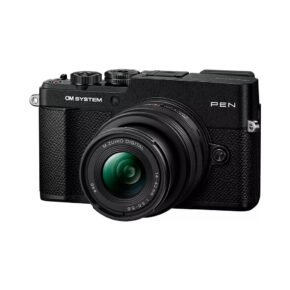
The OM System PEN is a lightweight Micro Four Thirds camera featuring a weather-sealed body, image stabilisation and an OLED viewfinder. The body weighs just 393 g with the battery and memory card, and the included 14–42 mm III is a compact pancake lens, so the whole kit fits into a small bag. A switch on the front lets you access colour and black-and-white profiles, allowing you to adjust the look of your photos whilst shooting. Features such as Live ND and Live Composite, as well as 4K video and vertical video support, make it a versatile camera for travel and social media.
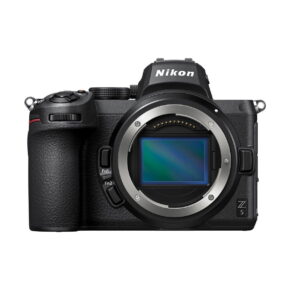
Nikon Z5 is one of the most affordable ways to get a full-frame camera. A full-frame sensor produces less noise in low light and a smoother background blur, and the Z5 also features cell stabiliser and two memory card slots. The camera is larger and heavier than the APS-C models, and full-frame lenses are also more expensive, but the image quality is more than adequate even for the most demanding photography. Nikon’s Z lenses are compatible with both the Z5 and the Z50 II, so you can expand your system in either direction.
| Canon R50 | Nikon Z50 II | Fujifilm X-M5 | Sony ZV-E10 II | Fujifilm X-T50 | OM System PEN | Nikon Z5 | |
|---|---|---|---|---|---|---|---|
| Cell | 24 MP APS-C | 21 MP APS-C | 26 MP APS-C | 26 MP APS-C | 40 MP APS-C | 20 MP Micro 4/3 | 24 MP full-frame sensor |
| Searching | Yes | Yes | No | No | Yes | Yes | Yes |
| Cell stabiliser | No | No | No | No | Yes | Yes | Yes |
| Video | 4K | 4K60 | 6.2K / 4K60 | 4K60 | 6.2K / 4K60 | 4K30 | 4K30 (cropped) |
| Weight (body) | 375 g | approx. 550 g | 355 g | approx. 380 g | approx. 440 g | approx. 390 g | approx. 675 g |
| Lens Mount | Canon RF | Nikon Z | Fujifilm X | Sony E | Fujifilm X | Micro Four Thirds | Nikon Z |
| The best | Ease of use, price | Excerpt, search, nature | Size, colours | Video, vlog | Room for growth | Lightweight, weather protection | Full-frame, low light |
Your first camera doesn’t have to be new. If you buy second-hand, you can get the same camera for significantly less, or a slightly better model or an extra lens for the same budget. All our second-hand equipment comes with a warranty of at least 90 days and a 30-day right of return, and every device has been inspected and graded. See also our guide buying a second-hand camera.
Browse second-hand items by brand: second-hand Canon cameras, second-hand Nikon cameras, second-hand Sony cameras and second-hand Fujifilm cameras.
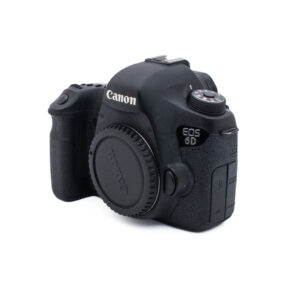
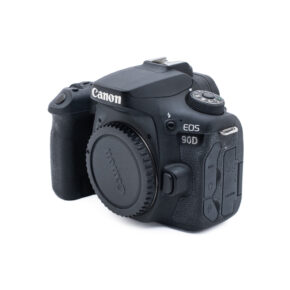
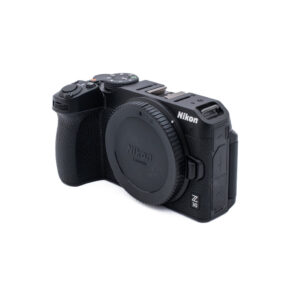
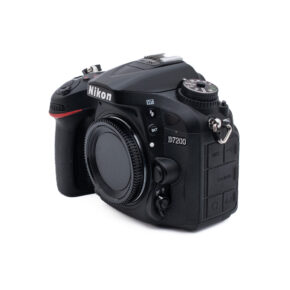
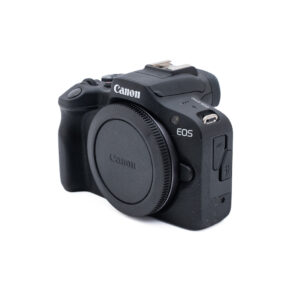
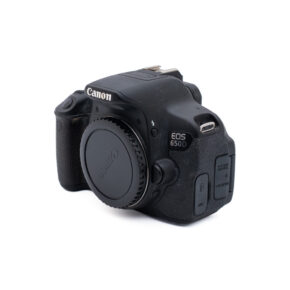
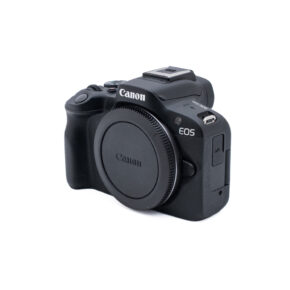
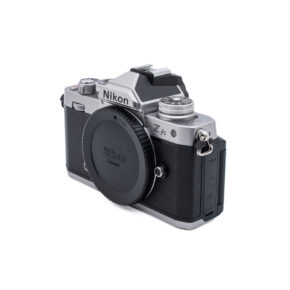
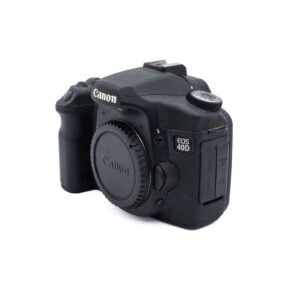
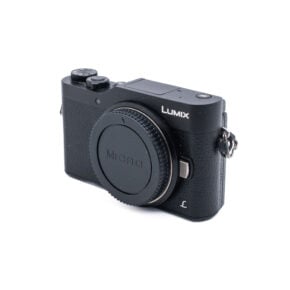
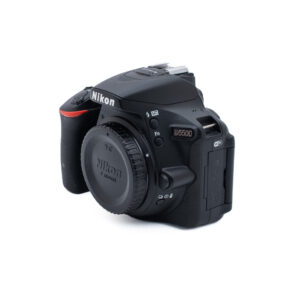
Mirrorless. All the major manufacturers have stopped developing cameras and lenses with mirrors, and new features, such as AI-based subject recognition, are only available on mirrorless models. With a mirrorless camera, you can also see the exposure of the final image in the viewfinder or on the screen before you press the shutter button, which makes it easier to learn.
For beginners, go for APS-C. The cameras and lenses are smaller, lighter and more affordable, and the image quality is sufficient for the vast majority of photography. The advantage of a full-frame sensor is most noticeable in low light and when blurring the background. If you’re interested in a full-frame camera right from the start, the Nikon Z5 is one of the most affordable options. See also our buying guide Introducing the Sony A7 series.
It’s more than enough to get you started. This kit lens covers everything from wide-angle to short telephoto and is ideal for landscapes, travel and everyday use. Once you’ve worked out what you photograph most, you’ll also know what sort of lens you should buy next.
A new camera with a kit lens costs around 800–1,600 euros. You’ll also need to set aside around 50–100 euros for a memory card and a spare battery. You can get started much more cheaply by buying second-hand.
Please do come to our shop in Kouvola to try out our products and ask for advice. You can also hire a camera to try out. From a camera hire shop.
Discover our full range in the department system cameras or browse other types of cameras.