Any questions? Give us a call 05 - 375 3220
Free delivery for orders over 1000 € / 30 days Return policy
Any questions? Give us a call 05 - 375 3220
Free delivery for orders over 1000 € / 30 days Return policy
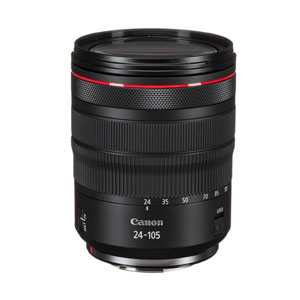
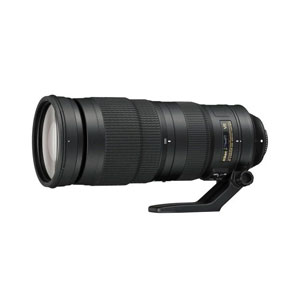
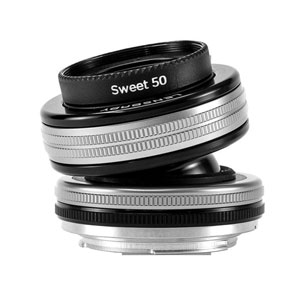
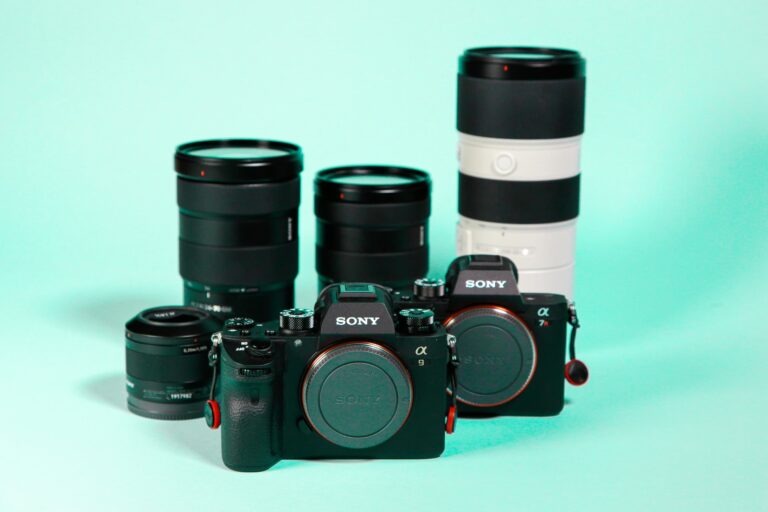
Correct Lens Unlock new possibilities for your camera. The Foto Monzan range includes wide-angle lenses, standard zoom lenses, telephoto lenses, macro lenses and fast prime lenses for all popular camera systems – from manufacturers such as From Canon, From Nikon and From Sony, as well as From Sigma, From Tamron, From Samyang and From Laowa.
Select your camera from the sidebar fastening, and you’ll only see compatible lenses.
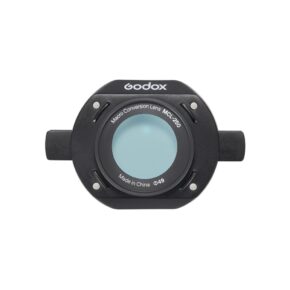
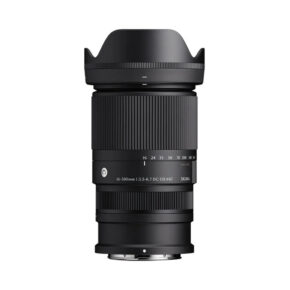
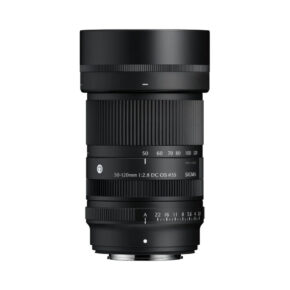
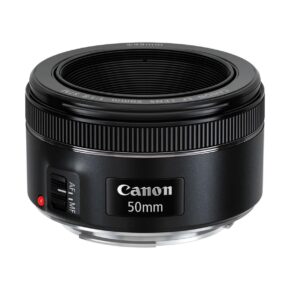
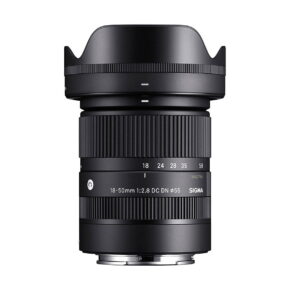
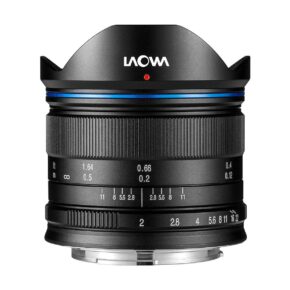
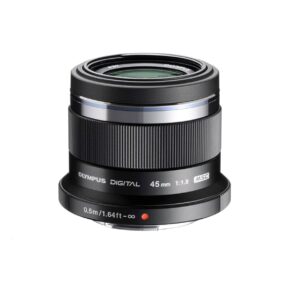
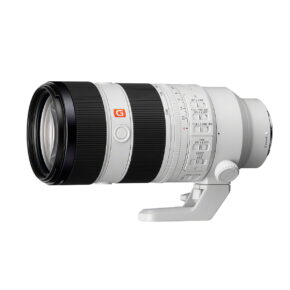
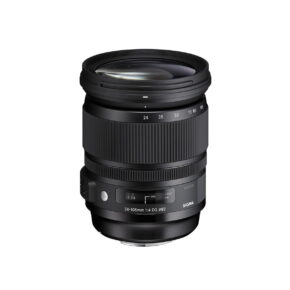
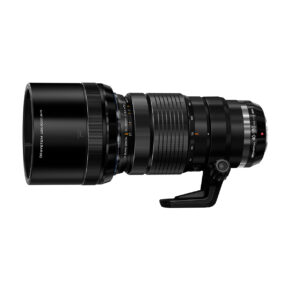
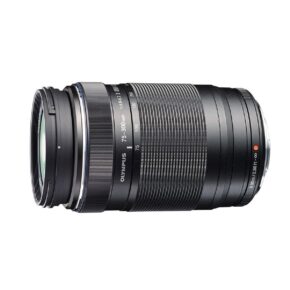
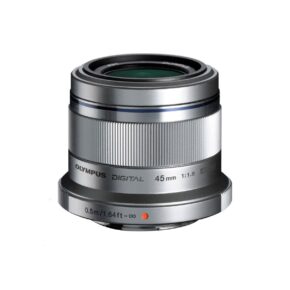
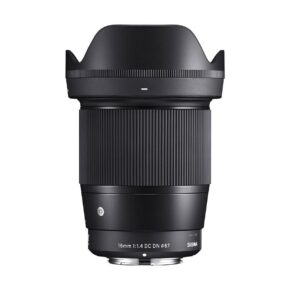
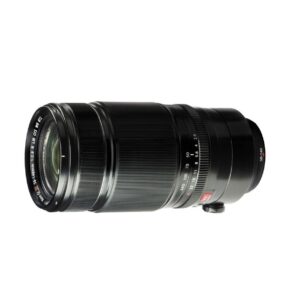








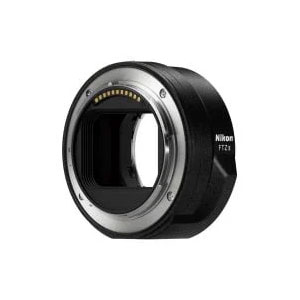
The lens must have the same mount as your camera: for example, Sony E, Canon RF, Nikon Z, Fujifilm X or L-mount for mirrorless cameras, and Canon EF or Nikon F for DSLR cameras. For mirrorless cameras, you’ll find a selection in the section lenses for mirrorless cameras and mirror-system cameras from the department lenses for DSLR cameras. Older EF and F lenses often work on mirrorless cameras with an adapter.
The focal lengths are specified for full-frame cameras. On an APS-C camera, the angle of view is approximately 1.5 times narrower (1.6 times on Canon), meaning that a 35 mm lens is equivalent to approximately 50 mm.
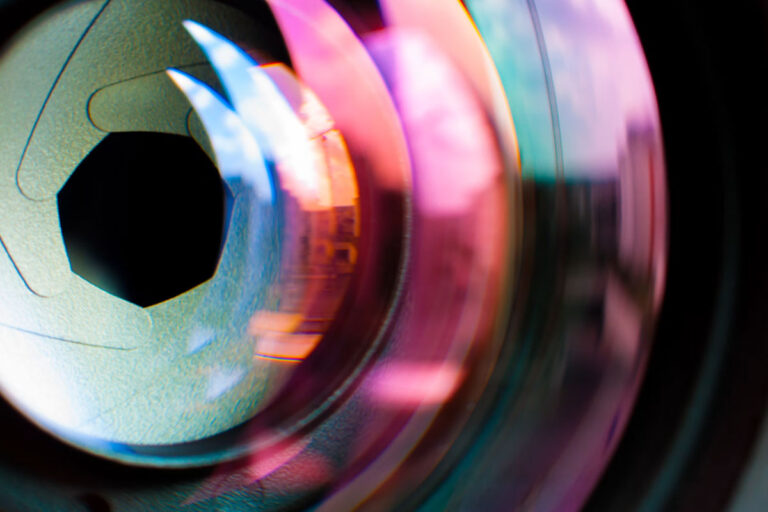
The smaller the f-number (e.g. f/1.4 or f/1.8), the more light the lens lets through. A fast lens performs better in low light and blurs the background more effectively. f/2.8 zooms are the standard choice for professionals, whilst f/4–6.3 zooms are lighter and more affordable.
Fixed focal length lenses are generally brighter, sharper, smaller and cheaper. Zoomit are more versatile: with a single lens, you can cover several angles of view without having to change lenses. Many photographers combine a standard zoom lens with a single fast prime lens, such as a 50 mm f/1.8.
Lenses designed for full-frame cameras also work on APS-C cameras within the same system, but APS-C lenses will crop the image to a smaller size when used on a full-frame camera. The designations vary by manufacturer: for example, Sony’s FE and E, Canon’s RF and RF-S, Nikon’s FX and DX, and Sigma’s DG and DC.
Camera manufacturers’ own lenses, such as Sony’s G Master, Canon’s L-series and Nikon’s S-line, represent the very best their respective systems have to offer. Sigma and Tamron often offer the same image quality in a lighter and more affordable form, and Samyang and Laowa They specialise in fast, manual and specialist lenses, which are not always available from camera manufacturers.
Lenses are very durable, so a second-hand lens is often a smart buy. See used lenses – with a minimum 90-day warranty and a 30-day right of return.
For most people, the best first additional lens is a fast fixed 35 mm or 50 mm f/1.8. It is affordable, lightweight and makes an immediate difference to low-light photography and background blur. For nature photographers, the next purchase is often a telephoto zoom lens.
The specifications usually state the focal length (e.g. 24–70 mm), the maximum aperture (f/2.8), the mount and features such as image stabilisation (OS, IS, VR, OSS) or the focusing motor. You can find brand-specific explanations on our brand pages.
A UV or protective filter protects the front lens, a polarising filter eliminates reflections, and an ND filter allows for long exposure times. Read more our filter guide and see lens accessories.